


Matter vs KNX: Which Technology Will Shape the Future of Smart Buildings?
The rapid growth of smart home and building automation technologies has created an increasing demand for interoperability between devices and systems. Two technologies often discussed in this context are Matter and KNX Association.
While both technologies aim to improve device communication and integration, they were designed for different environments and markets. Understanding their differences helps clarify how the future of smart buildings may evolve.
The Origins of KNX
KNX has long been one of the most widely adopted standards for building automation. The protocol emerged from the unification of several European building control systems and has been used for more than two decades in residential and commercial projects.
KNX systems are commonly deployed in environments such as:
- office buildings
- hotels
- luxury homes
- hospitals
- large commercial properties
Typical KNX installations control systems including:
- lighting
- HVAC
- blinds and shading
- security systems
- energy management
The strength of KNX lies in its reliability and long history in professional building automation.
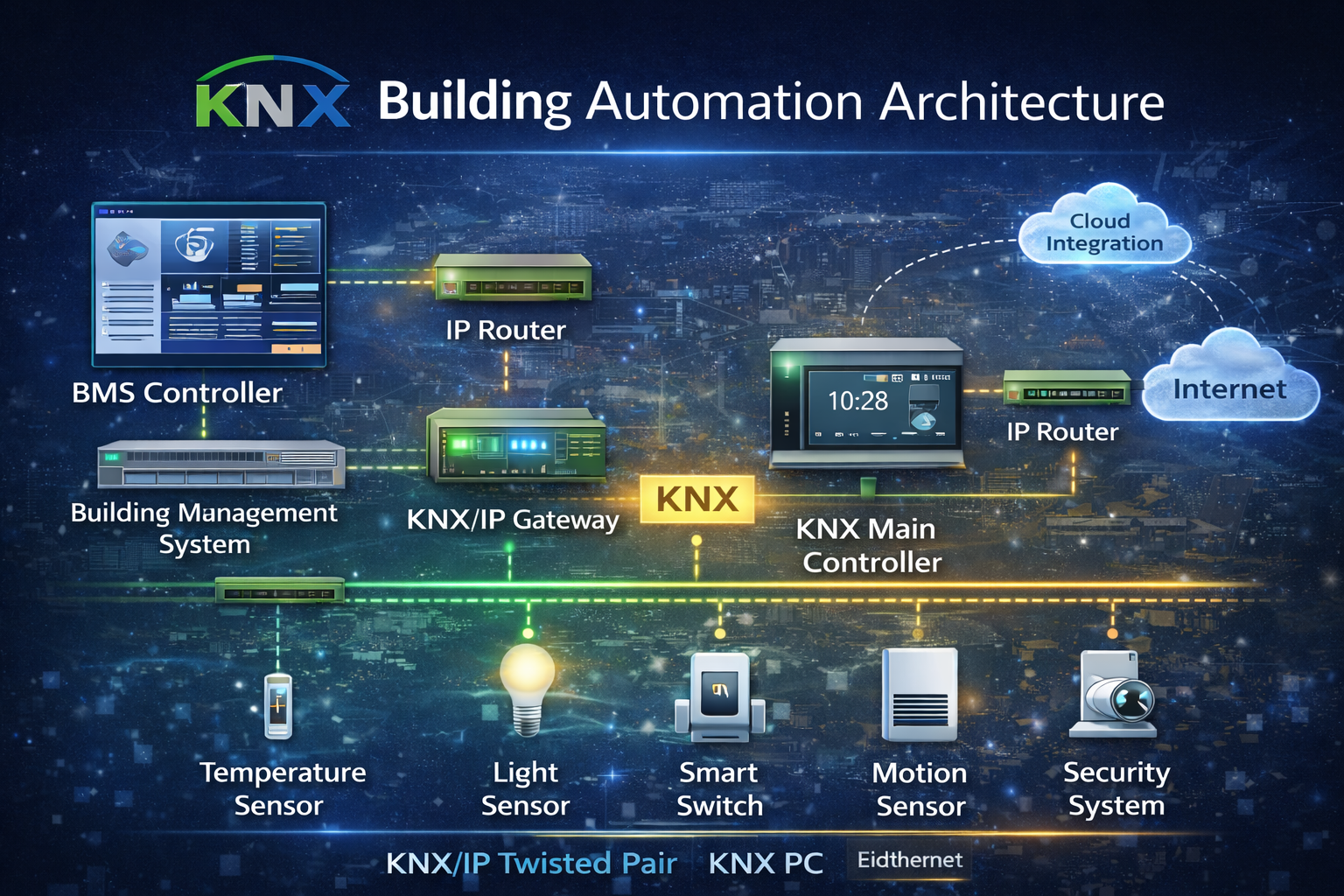
Fig1. KNX Building Automation Architecture
The Emergence of Matter
Matter was introduced more recently to solve interoperability problems within the consumer smart home market.
Developed by the Connectivity Standards Alliance, Matter aims to provide a unified communication framework allowing devices from different manufacturers to work together seamlessly.
Matter focuses primarily on:
- smart home devices
- consumer IoT ecosystems
- cross-platform compatibility
Major technology companies supporting Matter include Apple, Google, Amazon, and Samsung.
Devices commonly supporting Matter include:
- smart lights
- smart plugs
- smart locks
- thermostats
- sensors
The goal is to simplify device setup and ensure compatibility across different ecosystems.
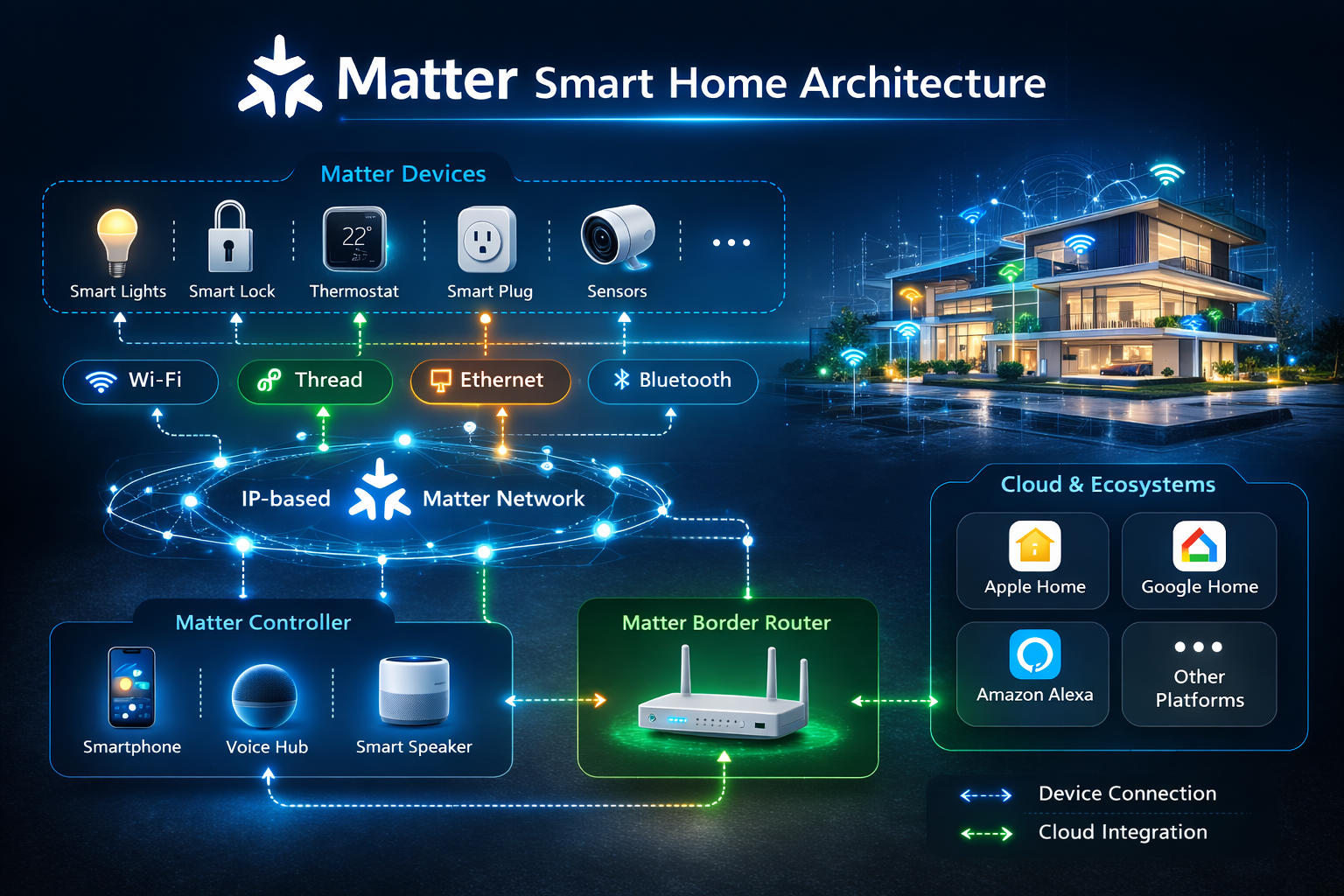
Fig2. Matter Smart Home Architecture
Key Differences Between Matter and KNX
Although Matter and KNX both address interoperability, they target different layers of the connected building ecosystem.
| Aspect | Matter | KNX |
| Primary focus | Smart home devices | Building automation |
| Typical installations | Residential homes | Commercial & residential buildings |
| Architecture | IP-based IoT network | Fieldbus + IP |
| Ecosystem | Consumer electronics companies | Building automation manufacturers |
| Control scope | Individual devices | Whole-building automation |
Matter focuses on consumer devices, while KNX focuses on large-scale automation systems.
Why Matter Is Gaining Attention
Matter is attracting significant attention because it simplifies interoperability between consumer smart home ecosystems.
Historically, smart home devices often required users to commit to a specific platform such as Apple HomeKit or Google Home. Matter enables devices to work across multiple ecosystems simultaneously.
This cross-platform compatibility significantly lowers the barrier for consumers entering the smart home market.
Why KNX Remains Dominant in Smart Buildings
Despite the rapid growth of consumer IoT technologies, KNX remains one of the most trusted solutions for large-scale building automation.
KNX offers several advantages:
- proven reliability
- deterministic communication
- large ecosystem of certified devices
- strong adoption among system integrators
In many commercial buildings, KNX acts as the backbone controlling essential infrastructure systems.
The Role of IP Technologies
Both ecosystems are increasingly moving toward IP-based networking.
KNX has introduced technologies such as KNX IoT, allowing building automation systems to integrate more easily with modern IP networks and software platforms.
Meanwhile, Matter was designed from the beginning as an IP-native protocol built for connected devices.
This convergence suggests that future smart environments may combine technologies from both ecosystems.
Can Matter Replace KNX?
While Matter is rapidly expanding, it is unlikely to fully replace KNX in professional building automation environments.
Large buildings require:
- deterministic control
- high reliability
- specialized automation logic
These requirements are areas where KNX systems remain particularly strong.
Matter is more likely to complement building automation systems rather than replace them.
A Hybrid Future for Smart Buildings
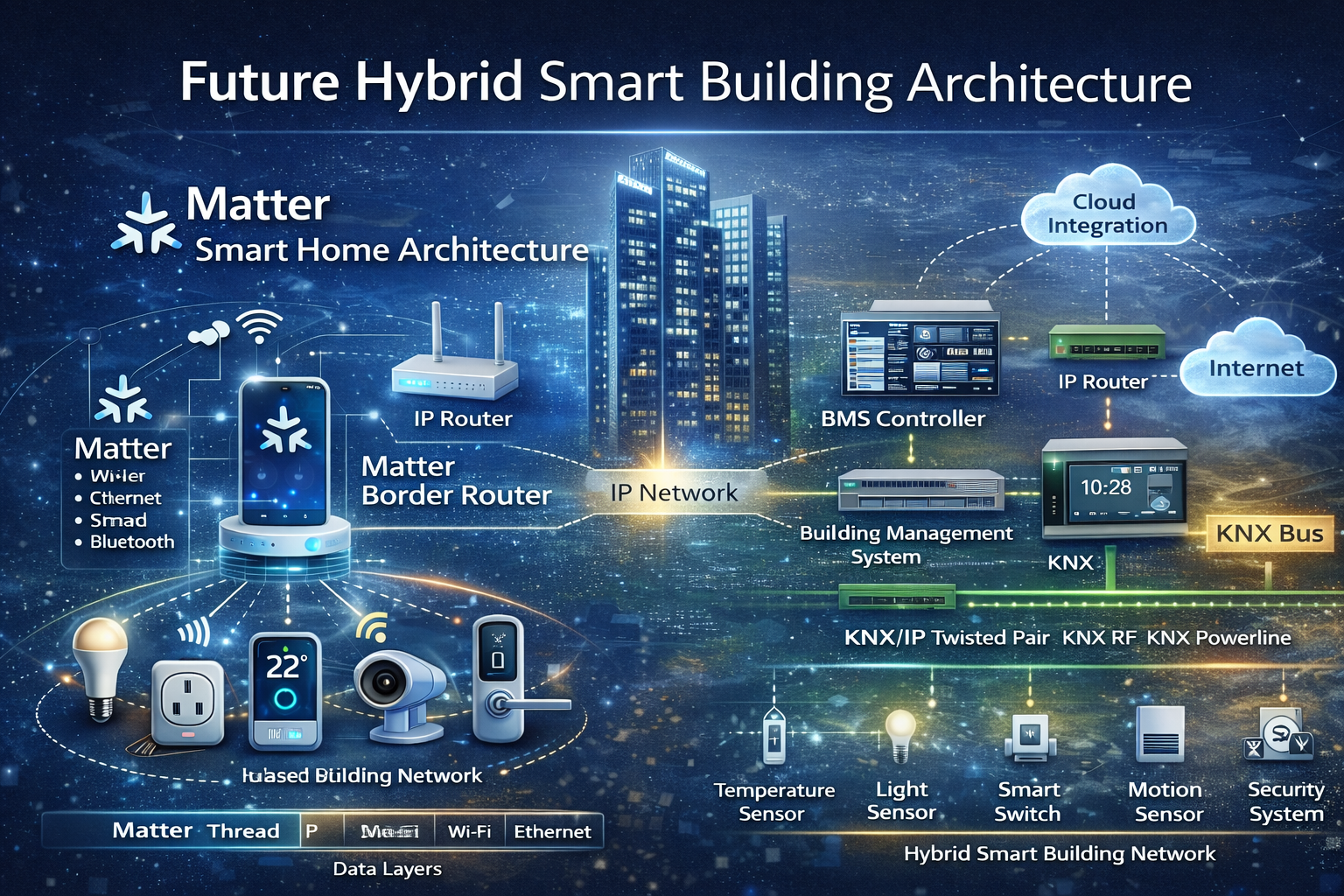
The future of smart buildings will likely involve a hybrid ecosystem combining multiple technologies.
In such environments:
- Matter devices may handle consumer-facing smart home functions
- KNX systems may manage building infrastructure and automation logic
This layered architecture allows buildings to benefit from both consumer IoT innovation and industrial-grade automation reliability.
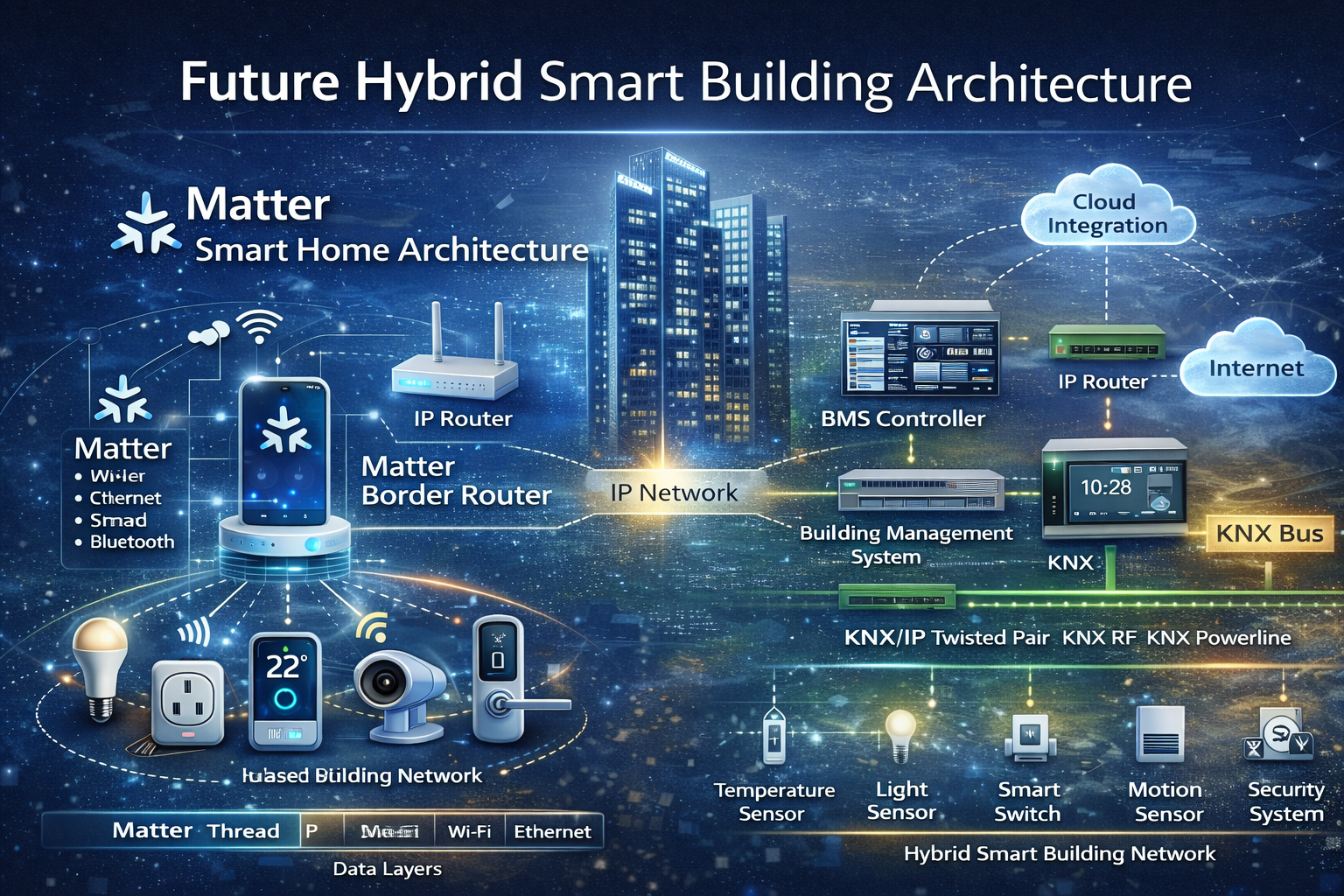
Fig3. Future Hybrid Smart Building Architecture
Conclusion
Matter and KNX represent two important but different approaches to connected environments.
Matter focuses on simplifying consumer smart home interoperability, while KNX provides robust infrastructure for building automation.
Rather than competing directly, the two technologies may ultimately coexist in future smart buildings, each serving distinct roles within the connected ecosystem.



Людмила Набокова
16 Мар, 2026Отличный анализ. Совместимость Matter и надежность KNX делают эту область интересной для наблюдения. Индустрия «умных зданий», вероятно, выиграет от обеих технологий.