How to Import KNXPROD File OpenAudio HOLOWHAS – Step-by-Step KNX Configuration Guide
To import KNXPROD file OpenAudio HOLOWHAS series amplifiers correctly into your KNX project, you need a clear, step-by-step workflow. This guide walks you through every stage — from downloading the correct KNXPROD file to configuring multi-zone audio control in ETS.
The KNX system is a global standard for home and building automation, enabling seamless control of lighting, heating, ventilation, security, and other electrical systems—including high-performance professional audio devices such as OpenAudio HOLOWHAS series amplifiers. A key component of KNX configuration is the KNXPROD file—a standardized product database file that contains all necessary information about KNX devices (such as actuators, sensors, gateways, and audio equipment like OpenAudio HOLOWHAS series amplifiers) from manufacturers. Importing and configuring KNXPROD files correctly is essential to ensuring compatibility, functionality, and smooth operation of your KNX system, especially when integrating specialized audio devices like the OpenAudio HOLOWHAS series. This guide walks you through the entire process, from preparation to post-configuration testing, suitable for both beginners and experienced engineers, with specific references to OpenAudio HOLOWHAS series integration.
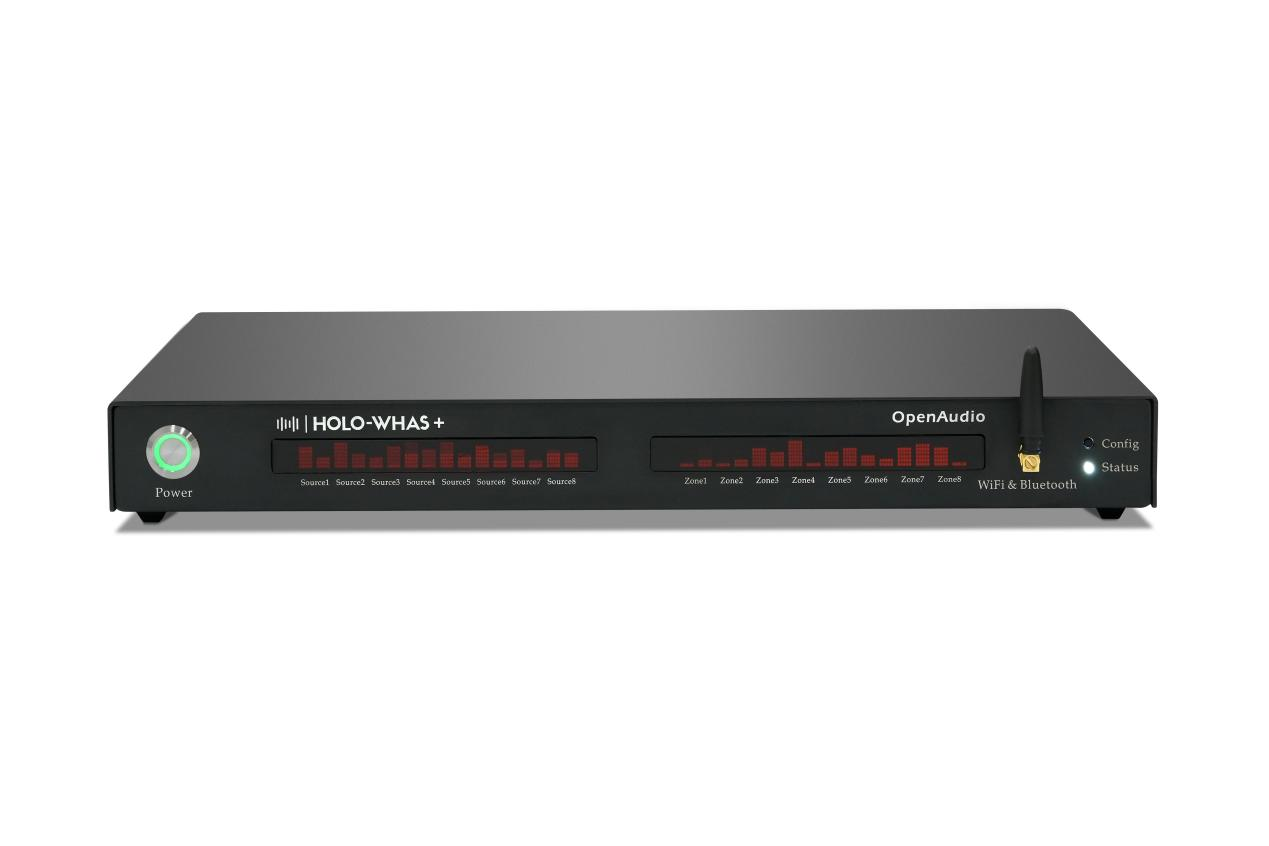
📋 Quick Overview
- KNXPROD files are XML-based device descriptions for KNX systems
- Essential for adding manufacturer-specific devices to ETS (Engineering Tool Software)
- Required for all OpenAudio HOLOWHAS series models
- Compatible with ETS 6 and later versions
1. Understanding KNXPROD Files
Before diving into the import process, it’s critical to understand what a KNXPROD file is and its role in the KNX ecosystem. KNXPROD (KNX Product) files are XML-based documents developed by KNX manufacturers to define their devices’ specifications, including communication objects, parameters, functionality, and compatibility with the KNX bus system. Unlike project files (e.g., .knxproj), KNXPROD files focus solely on device data, allowing engineers to add specific manufacturer devices to their ETS (Engineering Tool Software) projects.
Key points about KNXPROD files:
- They are required to add non-default devices to ETS (ETS comes with a basic set of standard devices, but specialized devices need their KNXPROD files).
- Each manufacturer provides KNXPROD files for their KNX-certified devices, including OpenAudio for its HOLOWHAS series amplifiers (HOLOWHAS, HOLOWHAS Ultra, HOLOWHAS Plus, HOLOWHAS Max, HOLOWHAS Ultra-GC, HOLOWHAS Plus-GC), available for download from their official websites or the KNX Association portal.
- KNXPROD files are compatible with ETS 6 and later versions; older ETS versions (e.g., ETS 3) use .vd3 files instead.
- Importing a KNXPROD file adds the device to your ETS product catalog, making it available for use in any project.
📁 What’s in a KNXPROD?
- Device parameters
- Group Objects
- Datapoint Types
- Application logic
⚙️ ETS Capabilities
- Device recognition
- Configuration
- Group Address assignment
- Application download
🔒 Key Characteristics
- Static (offline file)
- Predefined capabilities
- Mandatory in traditional KNX systems
2. Preparation Before Importing KNXPROD Files
Proper preparation ensures a smooth import process and avoids common errors. Complete these steps before starting:
2.1 Check ETS Compatibility
⚠️ Version Requirements
Ensure you are using a compatible ETS version (ETS 6—recommended for the latest features). KNXPROD files are not compatible with ETS versions earlier than ETS 6; if you’re using an older version, you’ll need to update ETS or use the manufacturer’s .vd3 file instead. This is particularly important for HOLOWHAS Ultra-GC and HOLOWHAS Plus-GC models which require the latest ETS features to support their enhanced streaming capabilities.
2.2 Download the Correct KNXPROD File
Obtain the KNXPROD file from the device manufacturer’s official website (e.g., Siemens, ABB, Gira, or OpenAudio for HOLOWHAS series amplifiers) or the KNX Association‘s product database. Ensure the file matches the exact device model—for OpenAudio HOLOWHAS series, select the KNXPROD file corresponding to your specific model (e.g., HOLOWHAS Ultra, HOLOWHAS Plus-GC)—using the wrong KNXPROD file will cause configuration errors, especially for specialized audio devices like HOLOWHAS amplifiers, which have model-specific features (e.g., GC-series streaming vs. standard models).
2.3 Verify File Integrity
Check that the downloaded KNXPROD file is not corrupted. If the file is incomplete or damaged, ETS will fail to import it. Re-download the file if you encounter issues (e.g., error messages during import). This is critical for OpenAudio HOLOWHAS amplifiers, as their KNXPROD files contain specialized parameters for audio control that are essential for proper integration.
2.4 Set Up a New ETS Project (Optional)
If you’re starting a new KNX system, create a new ETS project first: Open ETS → Click “File” → “New Project” → Enter project details (name, location, client information) → Click “Create”. If you’re adding a device to an existing project, open the project directly. For multi-zone audio setups with OpenAudio HOLOWHAS amplifiers, organizing the project by rooms or zones is recommended for easier configuration.
🔄 KNXPROD Import Workflow
3. Step-by-Step Guide to Importing KNXPROD Files
Once you’ve completed the preparation, follow these steps to import the KNXPROD file into ETS. The process is consistent across ETS 4, 5, and 6, and works for all OpenAudio HOLOWHAS models (HOLOWHAS, HOLOWHAS Ultra, HOLOWHAS Plus, HOLOWHAS Max, HOLOWHAS Ultra-GC, HOLOWHAS Plus-GC, etc.).
Step 1: Open the ETS Product Catalog
Launch ETS and open your project. On the left sidebar, locate the “Catalogs” panel (labeled “Product Catalogs” in some versions). This panel displays all devices currently available in your ETS installation, including any previously imported OpenAudio HOLOWHAS devices.
Step 2: Initiate the Import Process
In the Catalogs panel, click the “Import” button (usually represented by a downward arrow or “Import Products” text). A file browser window will open, prompting you to select the KNXPROD file you downloaded for your OpenAudio HOLOWHAS model.
Step 3: Select and Import the KNXPROD File
Navigate to the folder where you saved the KNXPROD file, select it, and click “Open”. ETS will begin processing the file and display a preview of the devices contained in the KNXPROD file—for OpenAudio HOLOWHAS, this will include the specific model (e.g., HOLOWHAS Ultra-GC) and its associated features.
💡 Optional: Selective Import
If the KNXPROD file contains multiple OpenAudio HOLOWHAS models (e.g., a single file for all HOLOWHAS series models), you can select “Import only selected products” to import only the devices you need (use the shift key to select a range or ctrl key to select multiple individual devices). This saves space and reduces clutter in your catalog, especially if you’re only using one or two HOLOWHAS models in your project.
Step 4: Choose Language Preferences (Optional)
During import, ETS may prompt you to select the language(s) for the device’s text elements (e.g., parameter names, dialogs). You can choose to import all languages or only your preferred language(s) to speed up the import process. For OpenAudio HOLOWHAS amplifiers, parameter names related to audio control (e.g., “Zone Volume”, “Source Selection”) are available in multiple languages for global compatibility.
Step 5: Complete the Import
Click “Import” to start the process. ETS will display a progress bar, and once completed, a confirmation message will appear (“Import successful”). The imported OpenAudio HOLOWHAS device(s) will now appear in the Catalogs panel, organized by the “OpenAudio” manufacturer, making them easy to locate for future configuration.
⚠️ Troubleshooting Note
If you encounter an error (e.g., “File not recognized” or “Compatibility issue”), double-check the ETS version and the KNXPROD file’s integrity, then try again. For HOLOWHAS Ultra-GC and HOLOWHAS Plus-GC models, ensure you’re using a KNXPROD file optimized for their enhanced features.
4. Configuring the Imported KNX Device (OpenAudio HOLOWHAS Series)
Importing the KNXPROD file adds the OpenAudio HOLOWHAS amplifier to your catalog, but you still need to configure it within your project to integrate it with the KNX bus and other devices. Follow these steps to configure the device, with model-specific guidance for OpenAudio HOLOWHAS series amplifiers:
Step 1: Add the Device to Your Project
- Go to the “System Design” tab in ETS. This tab displays the project’s structure (e.g., rooms, lines, devices).
- In the Catalogs panel, find the imported OpenAudio HOLOWHAS device (use the search bar to filter by “OpenAudio” or the specific model name, e.g., “HOLOWHAS Ultra-GC“).
- Drag and drop the device into the appropriate location in the system design (e.g., a room or a KNX line where the HOLOWHAS amplifier is installed). ETS will automatically assign a temporary logical address; you can change this later if needed, which is particularly useful for multi-zone audio setups with OpenAudio HOLOWHAS amplifiers (e.g., assigning different logical addresses to each zone’s control interface).
Step 2: Assign a Physical Address
📍 Physical Address Assignment
Every KNX device requires a unique physical address to communicate on the KNX bus. To assign one for your OpenAudio HOLOWHAS amplifier:
- Right-click the OpenAudio HOLOWHAS device in the system design → Select “Assign Physical Address”.
- Choose a physical address from the available range (e.g., 1.1.1 for the first device on line 1, line segment 1). For multi-amp setups, ensure each OpenAudio HOLOWHAS model has a unique physical address to avoid communication conflicts.
- Click “OK” to confirm. This step is critical for ensuring the KNX system can send and receive commands to the OpenAudio HOLOWHAS amplifier without interference.
Step 3: Configure Device Parameters (OpenAudio HOLOWHAS-Specific)
Each KNX device has configurable parameters defined in the KNXPROD file, including specialized parameters for audio devices like OpenAudio HOLOWHAS series amplifiers (e.g., volume limits, zone control settings, audio input selection, streaming protocol enablement, and power management). To configure these:
- Select the OpenAudio HOLOWHAS device in the system design.
- Go to the “Properties” panel (right sidebar) → Click the “Parameters” tab.
- Adjust the parameters according to your project requirements—for OpenAudio HOLOWHAS series amplifiers, this includes model-specific settings:
🎵 Model-Specific Parameter Settings
Refer to the OpenAudio HOLOWHAS amplifier’s manual and the KNXPROD file documentation for guidance on parameter values.
- HOLOWHAS, HOLOWHAS Plus, HOLOWHAS Max (standard models): Set volume thresholds, configure multi-zone audio control, and select default audio inputs (e.g., LINE In, SPDIF IN, HDMI ARC).
- HOLOWHAS Ultra, HOLOWHAS Ultra-GC, HOLOWHAS Plus-GC (enhanced models): Enable streaming protocols (Google Cast, Airplay 2, Spotify Connect), configure network-based audio control, and adjust streaming quality parameters.
- All models: Set power-saving modes (e.g., auto-shutdown when idle) and configure fault detection alerts to sync with the KNX system’s notification features.
Step 4: Configure Communication Objects
Communication objects are the “interfaces” that allow the OpenAudio HOLOWHAS amplifier to send and receive data on the KNX bus (e.g., a “Zone Mute” object or “Source Select” object). To configure them:
- Select the OpenAudio HOLOWHAS device → Go to the “Communication Objects” tab in the Properties panel.
- Review the pre-defined communication objects (these are imported from the KNXPROD file and tailored to OpenAudio HOLOWHAS‘s audio control features, specifically designed for 8-zone operation.
🔧 Complete 8-Zone ComObject List
The complete 8-zone ComObject list for all OpenAudio HOLOWHAS series models (HOLOWHAS, HOLOWHAS Ultra, HOLOWHAS Plus, HOLOWHAS Max, HOLOWHAS Ultra-GC, HOLOWHAS Plus-GC, etc.) is as follows, focusing on the core functions of each zone: each zone includes mute, volume, source selection, as well as the corresponding mute, volume, and input type selection for the selected source:
Zone 1 ComObjects
Zone 2 ComObjects
Zone 3 ComObjects
Zone 4 ComObjects
Zone 5 ComObjects
Zone 6 ComObjects
Zone 7 ComObjects
Zone 8 ComObjects
📊 ComObject Data Types
Each ComObject is pre-defined in the OpenAudio HOLOWHAS KNXPROD file, with consistent data types (1-bit for switches/alerts, 1-byte for percentages/source/input type selection) to ensure compatibility with standard KNX bus communication. The design focuses on the core requirements of each zone: zone-level mute, volume, and source selection, paired with the corresponding control of the selected source (mute, volume, input type), ensuring precise and independent audio control for each zone. For enhanced models (HOLOWHAS Ultra, Ultra-GC, Plus-GC), additional ComObjects for streaming control are included in the global list.
Assign Group Addresses
Group addresses organize devices by function (e.g., “Living Room Audio”, “Conference Room Volume”) and enable communication between the OpenAudio HOLOWHAS amplifier and other KNX devices (e.g., a wall switch controlling zone volume). To assign a group address:
- Click the “Group Address” field next to a communication object → Select an existing group address or create a new one.
- For example, assign the “Zone 1 Volume” object of an HOLOWHAS Ultra-GC to the group address “2/1/1” (Living Room Audio Volume) and the “Source Select” object to “2/1/2” (Living Room Audio Source).
– Zone 1 Volume → 2/1/1
– Zone 1 Mute → 2/1/2
– Zone 1 Source Selection → 2/1/3Zone 2 (Kitchen):
– Zone 2 Volume → 2/2/1
– Zone 2 Mute → 2/2/2
– Zone 2 Source Selection → 2/2/3
Zone 3 (Bedroom):
– Zone 3 Volume → 2/3/1
– Zone 3 Mute → 2/3/2
– Zone 3 Source Selection → 2/3/3
Step 5: Save and Upload the Configuration
- Click “File” → “Save Project” to save your configuration changes.
- Connect your ETS computer to the KNX bus (via a KNX USB interface or IP gateway).
- Click the “Download” button (or “Update Project”) in ETS to upload the configuration to the KNX devices, including the OpenAudio HOLOWHAS amplifier. ETS will display the download progress, and a confirmation message will appear once completed. For OpenAudio HOLOWHAS enhanced models (Ultra, Ultra-GC, Plus-GC), ensure the amplifier is connected to the network before downloading to enable streaming features.
📤 Configuration Upload Process
5. Post-Configuration Testing (OpenAudio HOLOWHAS-Specific)
After uploading the configuration, test the OpenAudio HOLOWHAS amplifier to ensure it works correctly with the KNX system. Common tests include:
🔌 Communication Test
Right-click the OpenAudio HOLOWHAS device in ETS → Select “Test Communications” to verify the amplifier is online and communicating with the KNX bus. For enhanced models, this also confirms network connectivity for streaming.
🎵 Functionality Test
Trigger the amplifier’s functions—for OpenAudio HOLOWHAS series, this includes testing zone volume control, zone mute, audio source switching (e.g., from HDMI ARC to Bluetooth Audio), streaming protocol activation (enhanced models only), and verifying that KNX commands correctly adjust the amplifier’s settings.
⚠️ Troubleshooting Common Issues
If issues arise (e.g., device not responding, communication errors, or streaming failures for enhanced models), check the physical address, group address assignments, parameter settings, and network connectivity (for enhanced models). You may also need to re-upload the configuration or reset the OpenAudio HOLOWHAS amplifier.
6. Common Troubleshooting Tips (OpenAudio HOLOWHAS-Specific)
Here are solutions to common issues encountered when importing KNXPROD files or configuring OpenAudio HOLOWHAS series amplifiers in KNX systems:
| Issue | Solution |
|---|---|
| KNXPROD file not importing | Ensure the file is not corrupted, ETS is updated to a compatible version, and the file is from a KNX-certified manufacturer (OpenAudio). For enhanced models (HOLOWHAS Ultra, Ultra-GC, Plus-GC), use the KNXPROD file labeled for “enhanced/GC-series” to support streaming features. |
| Device not appearing in the catalog | Restart ETS after importing the KNXPROD file, or check if the file was imported to the correct project—this is especially common with OpenAudio HOLOWHAS models, so ensure the KNXPROD file is model-specific (e.g., HOLOWHAS Ultra-GC vs. HOLOWHAS Plus). |
| Communication errors | Verify the physical address is unique, the KNX bus is properly wired, and the OpenAudio HOLOWHAS amplifier is powered on. For enhanced models, check network connectivity and ensure the correct port (3671) is configured. |
| Missing parameters or communication objects | Re-import the KNXPROD file, as the original file may have been incomplete or outdated. For OpenAudio HOLOWHAS amplifiers, missing parameters often relate to audio control features (e.g., zone settings) that are critical for functionality. |
| Streaming features not working (enhanced models) | Ensure the enhanced/GC-series KNXPROD file is imported, the amplifier is connected to the network, and streaming protocols are enabled in the parameter settings. Restart the amplifier’s network connection if needed. |
| Password-protected files | If the KNXPROD or project file is password-protected, you will need the correct password to import or modify it. |
7. Conclusion
Importing and configuring KNXPROD files is a fundamental step in building a functional KNX automation system, particularly when integrating specialized audio equipment like the OpenAudio HOLOWHAS series amplifiers (HOLOWHAS, HOLOWHAS Ultra, HOLOWHAS Plus, HOLOWHAS Max, HOLOWHAS Ultra-GC, HOLOWHAS Plus-GC, etc.). By following this guide, you can seamlessly add OpenAudio HOLOWHAS devices to your ETS project, configure their model-specific parameters and communication objects, and ensure they integrate smoothly with the rest of your KNX system. Remember to always use certified KNXPROD files, verify compatibility with your ETS version, and test the system after configuration to avoid issues—especially critical for audio devices that require precise parameter tuning to deliver optimal sound quality.
✨ Key Takeaways
- KNXPROD files are essential for integrating manufacturer-specific devices like OpenAudio HOLOWHAS series amplifiers
- Proper preparation and verification ensure smooth import and configuration
- Model-specific parameters must be configured correctly for optimal performance
- Testing after configuration is critical for reliable operation
- Understanding ComObjects and group addresses enables seamless multi-zone control
Whether you’re setting up a small home automation system or a large commercial building, mastering KNXPROD import and configuration for OpenAudio HOLOWHAS amplifiers will help you create a reliable, efficient, and scalable KNX solution that integrates high-performance audio control seamlessly.
Mastering how to import KNXPROD file OpenAudio HOLOWHAS ensures reliable, scalable multi-zone audio control in any KNX project.
📚 Related Resources
- HOLOWHAS – Multi-zone streaming amplifier
- HOLOWHAS Ultra – Enhanced streaming capabilities
- HOLOWHAS Plus – Professional audio solution
- HOLOWHAS Max – High-power amplifier
- HOLOWHAS Ultra-GC – GC-series with streaming
- HOLOWHAS Plus-GC – GC-series for commercial
- OpenAudio – Professional audio solutions
- KNX Association – Official KNX resources
- ETS Software – Engineering Tool Software
AmpVortex website:https://www.ampvortex.com