
Multi-Zone Background Music: How Smart Audio Design Transforms Commercial Spaces
Introduction
In commercial environments, background music is no longer just an accessory — it’s a strategic tool that shapes customer behavior, brand identity, and revenue.
Traditional single-zone audio systems deliver the same music across an entire space. But modern businesses demand more control, more flexibility, and more impact.
That’s where multi-zone background music systems come in.
By delivering different audio experiences across different areas — and adapting them throughout the day — businesses can create immersive environments that drive engagement and sales.
In this article, we’ll explore 6 real-world multi-zone audio strategies across key industries.
What Is Multi-Zone Background Music?
Multi-zone background music allows businesses to play different audio streams in different areas (zones) of the same venue.
Instead of a single playlist for the entire space, each zone is optimized based on:
- Function (e.g., entrance vs seating)
- Customer behavior
- Time of day
- Brand positioning
Why Multi-Zone Audio Matters
A well-designed multi-zone system can:
- Increase customer dwell time
- Improve customer flow
- Enhance brand perception
- Boost sales and upsell opportunities
- Reduce operational complexity through centralized control
6 Real-World Multi-Zone Audio Use Cases
1. Hotel Multi-Zone Music Strategy
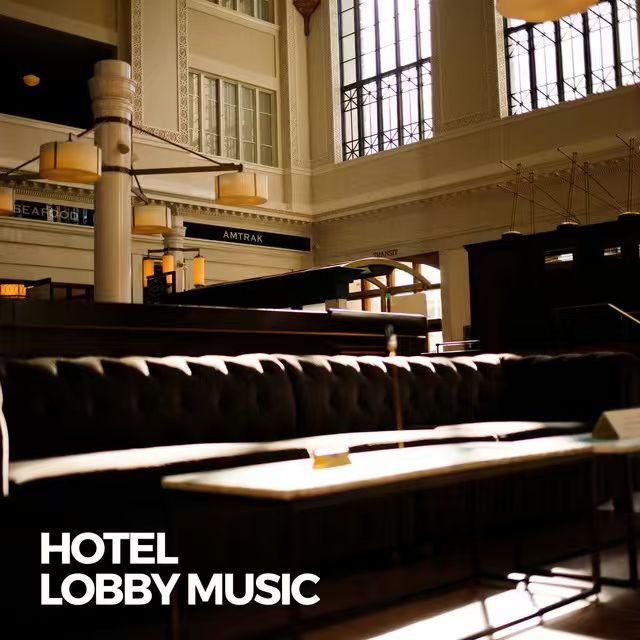
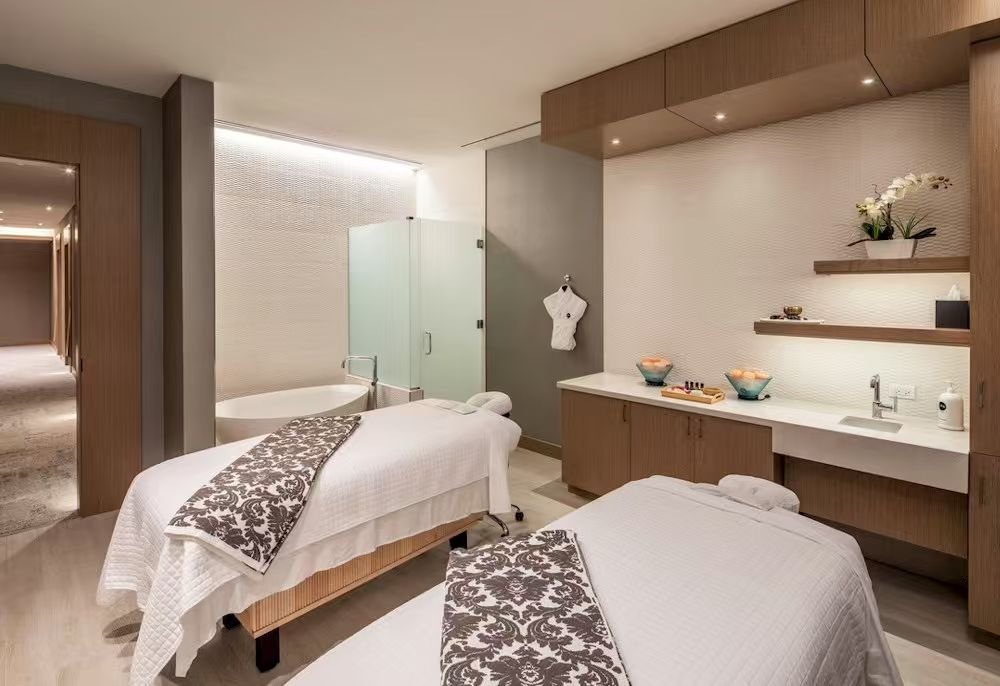
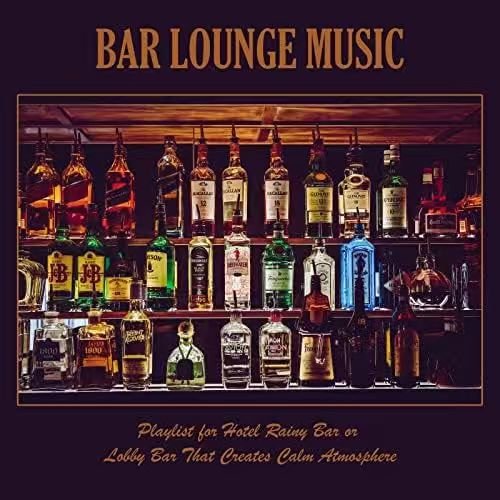
Hotels require layered and consistent audio experiences across multiple functional spaces.
Recommended 8-Zone Setup:
- Lobby → Ambient / Piano
- Reception → Soft Jazz
- Elevator → Instrumental
- Corridor → Ambient
- Restaurant → Bossa Nova / Light Jazz
- Bar → Lounge / Deep House
- Gym → Upbeat / EDM
- Spa → Wellness / Nature Sounds
 Goal: Deliver a seamless luxury experience while adapting to each space’s function.
2. Retail Store Multi-Zone Music Strategy

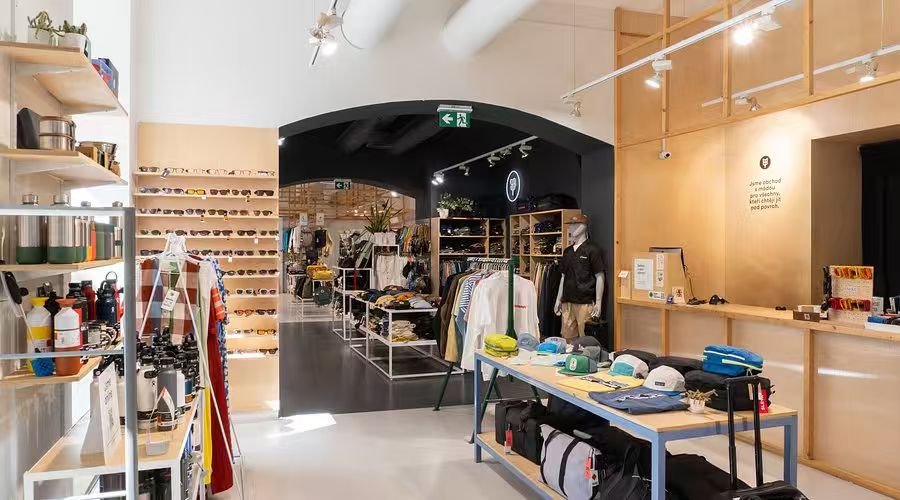
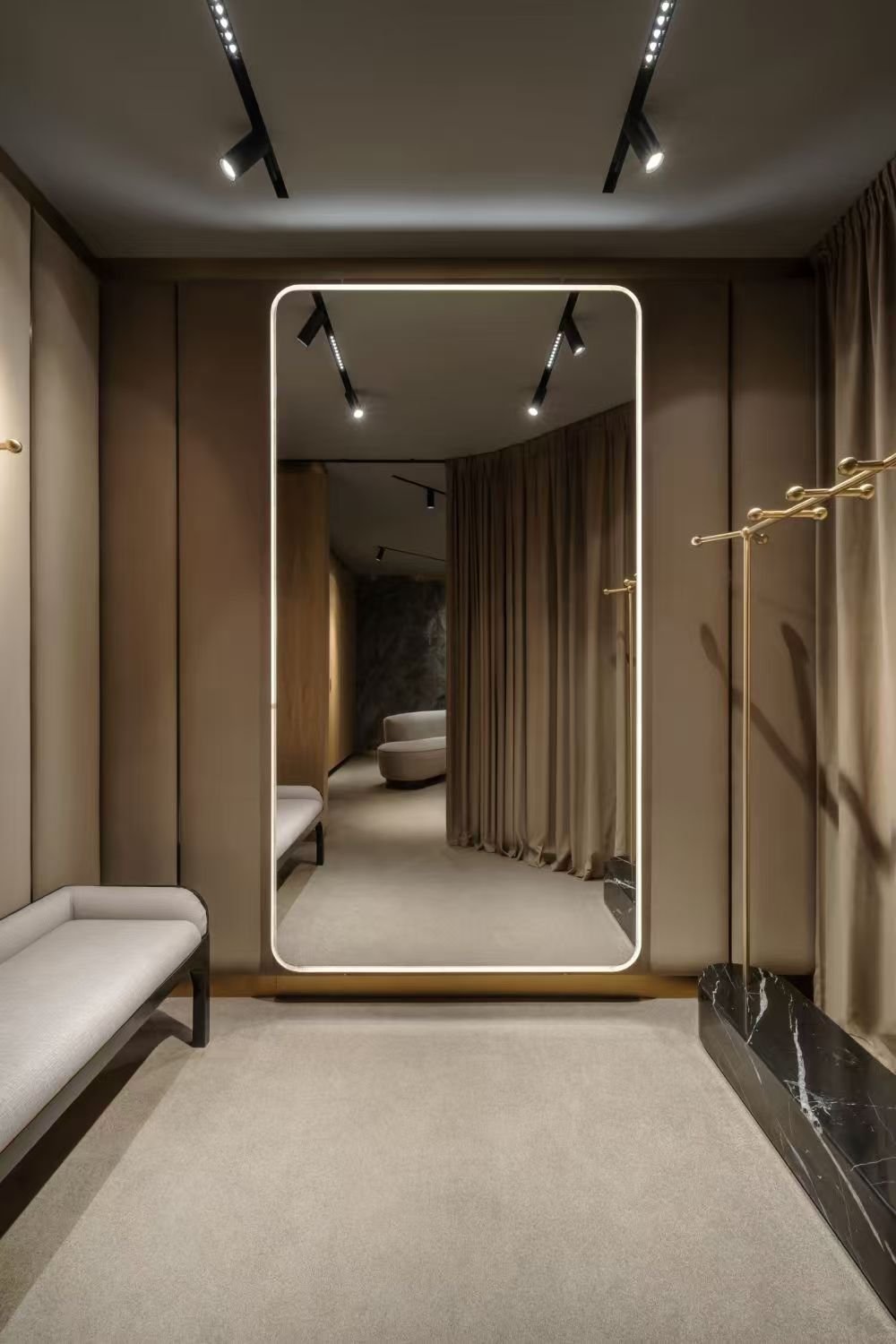
Retail environments use music to influence shopping behavior and pacing.
Recommended Zones:
- Entrance → Upbeat Pop
- Main Floor → Chill Pop / Indie
- Premium Area → Jazz / Ambient
- Fitting Room → Soft Pop
- Checkout → Light Electronic
- Window Display → Trendy Music
- Staff Area → Neutral
- Restroom → Ambient
Goal: Guide customers through the store and subtly increase purchase intent.
3. Coffee Shop (Starbucks-Style) Multi-Zone Strategy
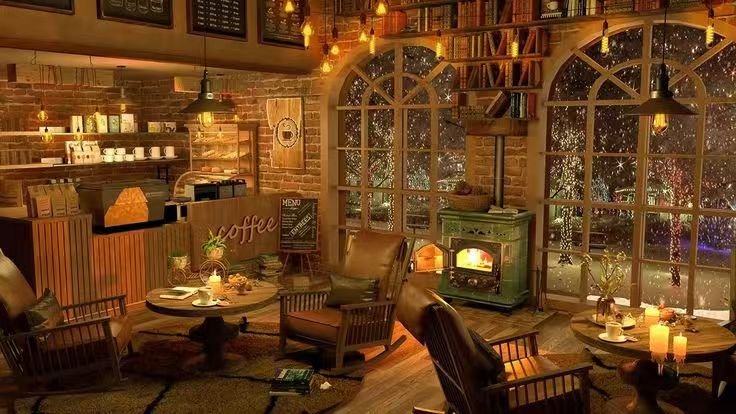

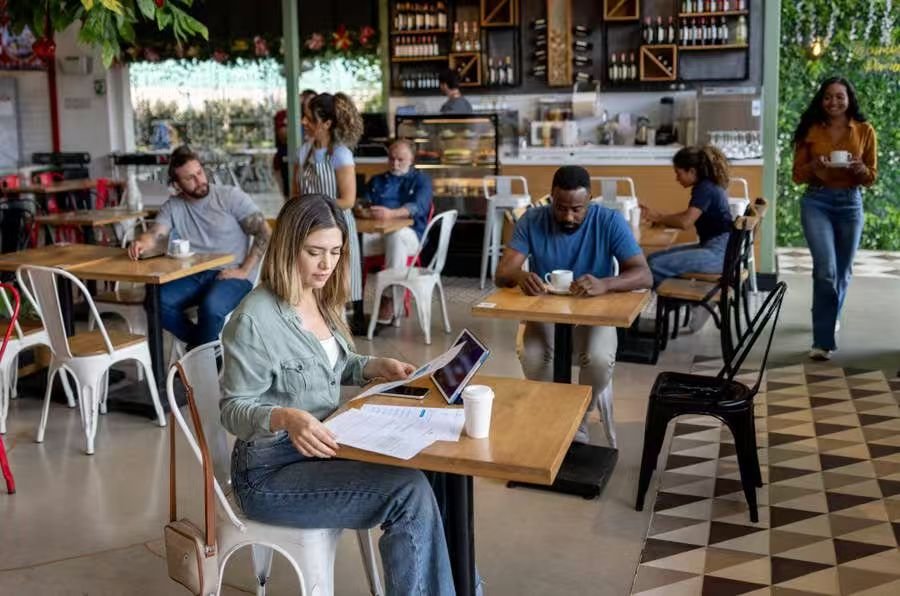
Modern cafés require a balance between consistency and micro-adjustments.
Recommended Zones:
- Entrance → Light Upbeat Indie
- Order Counter → Acoustic
- Pickup Area → Slightly Upbeat
- Main Seating → Chill / Jazz
- Window Seating → Trendy Light Music
- Quiet Corner → Ambient / Piano
- Restroom → Neutral Ambient
- Outdoor → Acoustic / Lounge
Goal: Maintain brand identity while supporting different customer behaviors (socializing, working, relaxing).
4. Restaurant Multi-Zone Audio Strategy
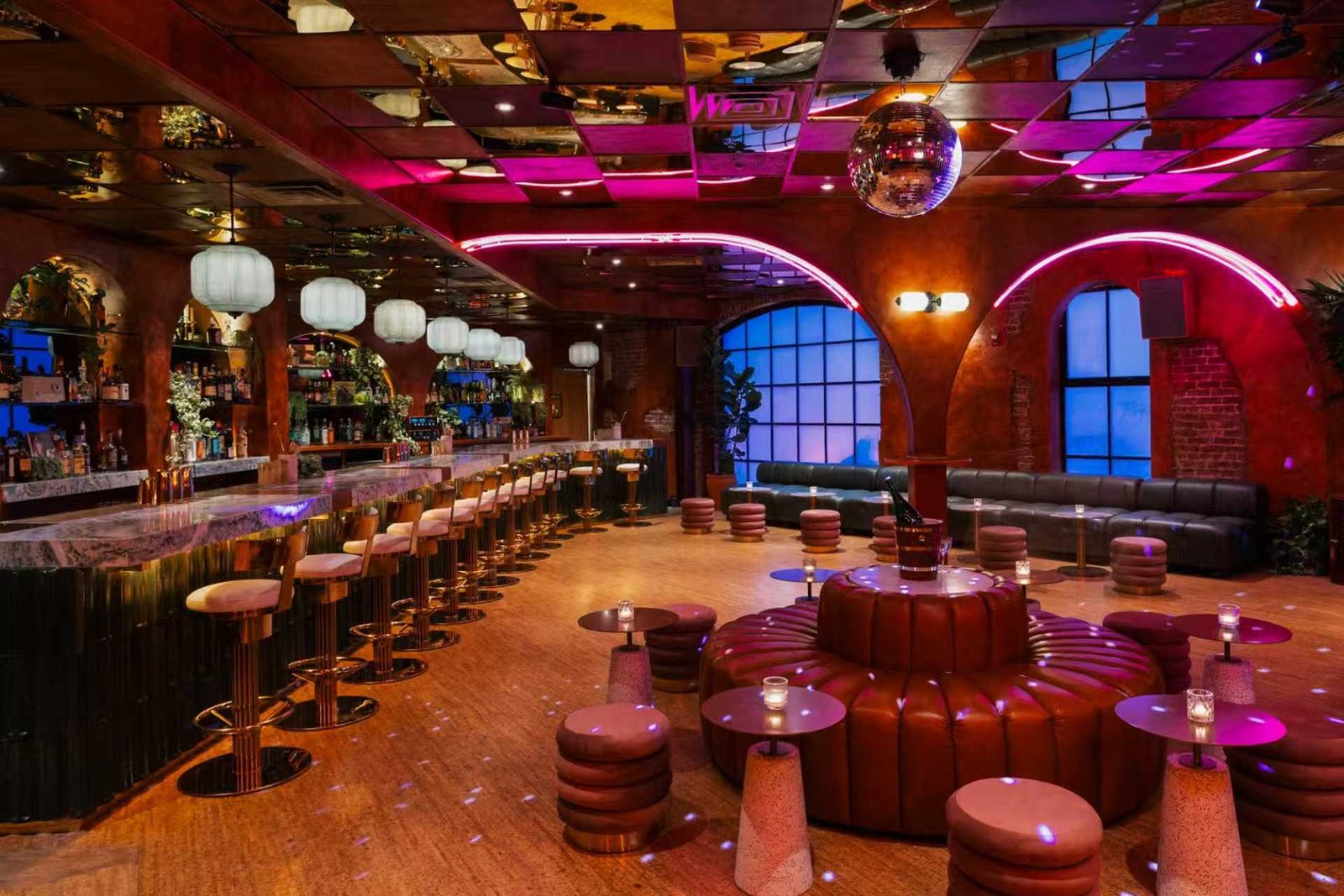
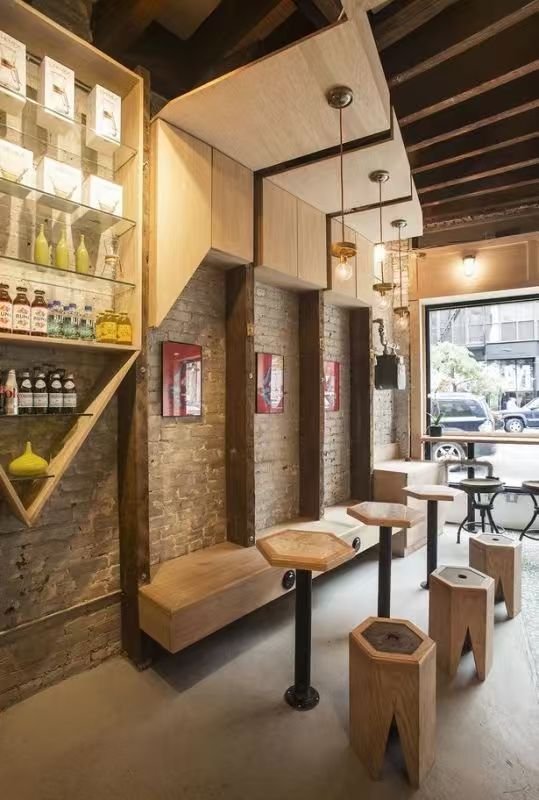
Restaurants benefit from music that enhances dining experience and table turnover balance.
Recommended Zones:
- Entrance → Acoustic
- Dining Area → Jazz / Bossa Nova
- VIP Room → Classical / Lounge
- Bar → Funk / Disco / House
- Waiting Area → Chillout
- Kitchen → Upbeat (staff)
- Restroom → Ambient
- Outdoor → Indie / Acoustic
Goal: Extend dining time where needed while keeping flow efficient.
5. Gym Multi-Zone Music Strategy

Fitness spaces require energy-based zoning.
Recommended Zones:
- Entrance → Energetic Pop
- Cardio → EDM
- Weight Area → Hip-Hop / Trap
- Group Class → High Energy Mix
- Yoga Room → Ambient / Meditation
- Locker Room → Chill
- Reception → Light Electronic
- Restroom → Ambient
Goal: Match music intensity with physical activity.
6. Cinema Multi-Zone Audio Strategy
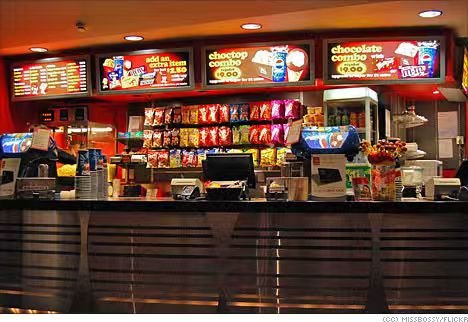
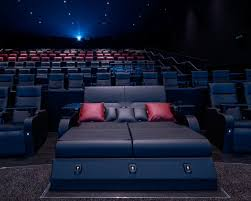
Cinemas rely heavily on immersive audio environments beyond the screening room.
Recommended Zones:
- Lobby → Cinematic Ambient
- Ticket Area → Light Electronic
- Waiting Area → Film Scores
- Hallway → Ambient
- VIP Lounge → Jazz / Lounge
- Snack Bar → Pop / Upbeat
- Restroom → Ambient
- Exit → Soft Instrumental
Goal: Extend the movie experience beyond the screen.
The Future: From Music Playback to Experience Design
The real value of multi-zone audio is not just playing music — it’s about designing experiences.
When combined with:
- Time-based scheduling
- Cloud control
- Multi-room amplifiers
- AI-generated playlists
Businesses can move from simple background music to fully managed audio environments.
Conclusion
Multi-zone background music is no longer a luxury — it’s becoming a standard for modern commercial spaces.
Whether it’s a hotel, retail store, café, gym, restaurant, or cinema, smart audio design directly impacts customer behavior and business outcomes.
CTA
Ready to upgrade your commercial audio system?
Explore how multi-zone streaming amplifiers can transform your space. Contact us to design your custom audio strategy.